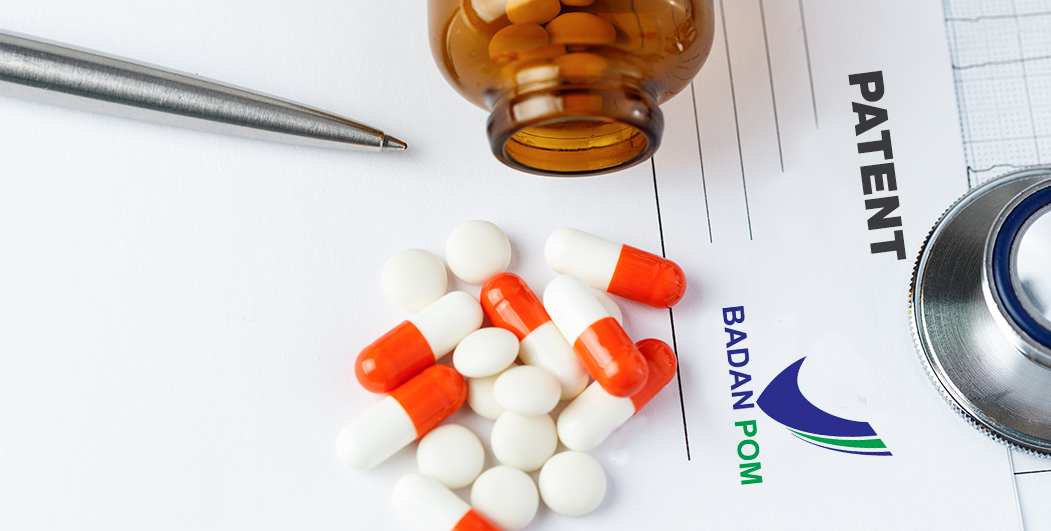

A common stigma persists that cheaper generic drugs are ineffective at treating illnesses. However, this belief is incorrect; generic drugs are just as effective as patented drugs, differing only in terms of rights and ownership.
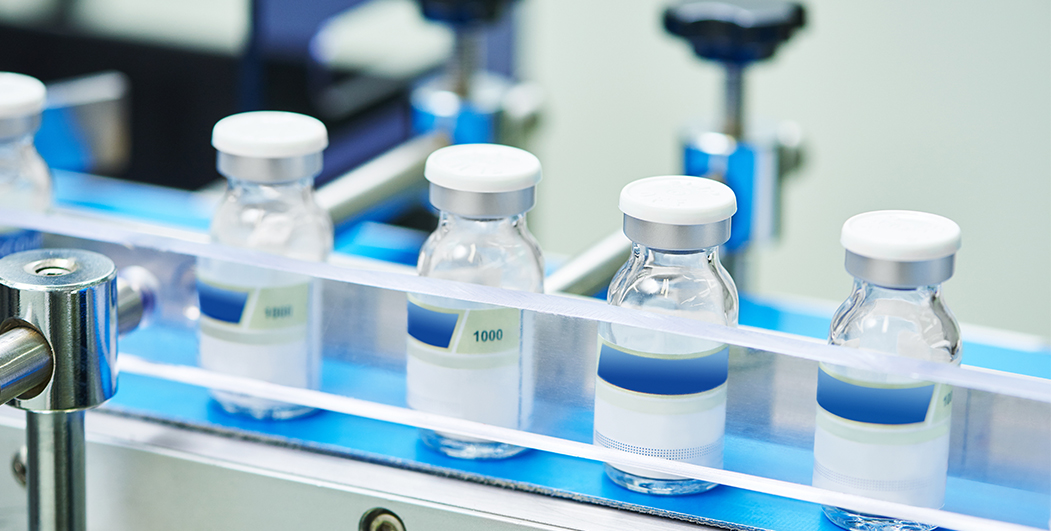
Generic drugs are produced after the patent on a specific drug expires. Their production does not require the lengthy research and development periods associated with the original drug.
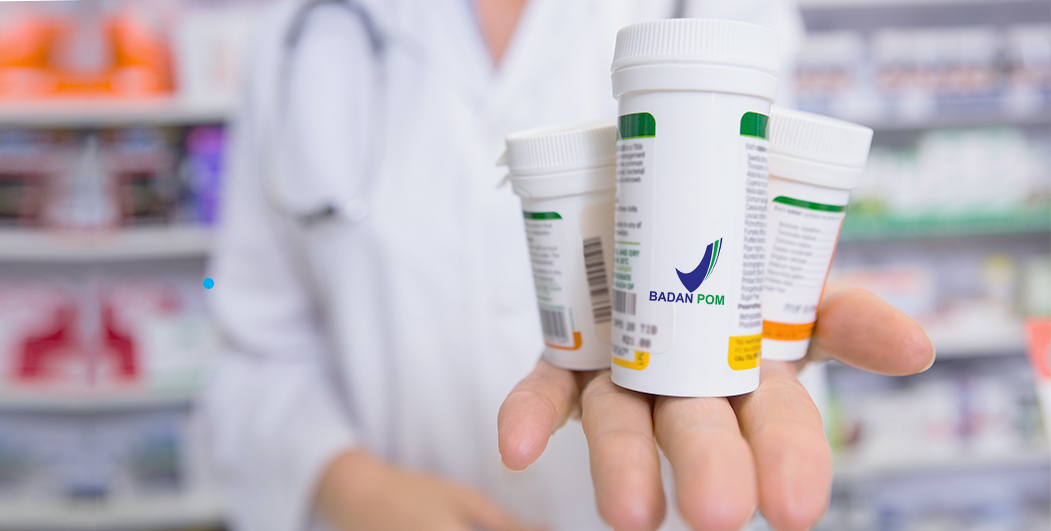
The formulation for a generic drug can be acquired from the manufacturer of the original drug once the patent has expired. Therefore, the notion that the ingredients in generic drugs differ from those in patented drugs is false. Furthermore, generic drugs are registered with the National Agency of Drug and Food Control (BPOM), ensuring their quality.
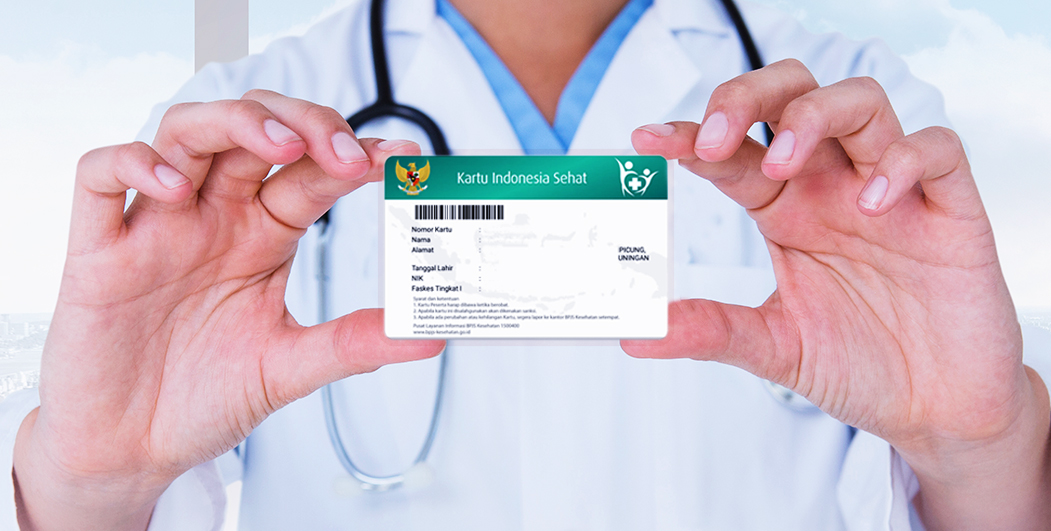
One reason generic drugs are cheaper is their inclusion in the National Health Insurance (JKN) program, which drives up demand. While a patented drug might be produced in batches of five hundred, a generic drug can be produced in batches of up to five thousand in a single run.
This mass production process naturally lowers production costs, as raw materials purchased in bulk are cheaper.
In contrast, the pharmaceutical companies holding the patents invest heavily to create a new drug. For instance, Alexion Pharmaceuticals—the maker of Soliris, a drug for a rare blood disorder—invested US$800 million (approximately IDR 7.73 trillion) and spent 15 years on research.
This massive investment led Forbes to name Soliris the world's most expensive drug, with an annual cost of US$409,500 (approximately IDR 4 billion). The drug treats paroxysmal nocturnal hemoglobinuria, a rare blood disorder affecting 8,000 people in the US.
For context, a patented drug is a new medication that is first produced and marketed—and subsequently patented—by a pharmaceutical company. As is well known, securing such a patent involves significant research and development costs that are neither simple nor inexpensive.
These substantial research and development funds are used not only to determine the precise drug formulation but also to finance the necessary analysis and clinical trials. There are two types of generic drugs. The first is the "Logo-Bearing Generic Drug" (OGB), named according to its active ingredient; for instance, the antibiotic amoxicillin is sold simply as "Amoxicillin." The second type is the "Branded Generic Drug," named at the discretion of the pharmaceutical manufacturer; for example, Company AX might release amoxicillin under the name "Amoxicillin AX."
Both types of generic drugs contain the same active ingredients and offer the same level of effectiveness. The only difference lies in the packaging: OGBs use simple packaging, whereas branded generics use packaging designed according to the manufacturer's preference.
Another difference involves the drug's solvent and certain additives. Some branded generics include added substances to mask unpleasant odors associated with the medication.
It is natural for branded generics to be relatively more expensive than OGBs, though still cheaper than patented drugs. This is because pharmaceutical companies incur additional costs for packaging, additives, and product promotion.
References:
- https://www.klikdokter.com/info-sehat/read/3089975/kenapa-harga-obat-generik-bisa-murah