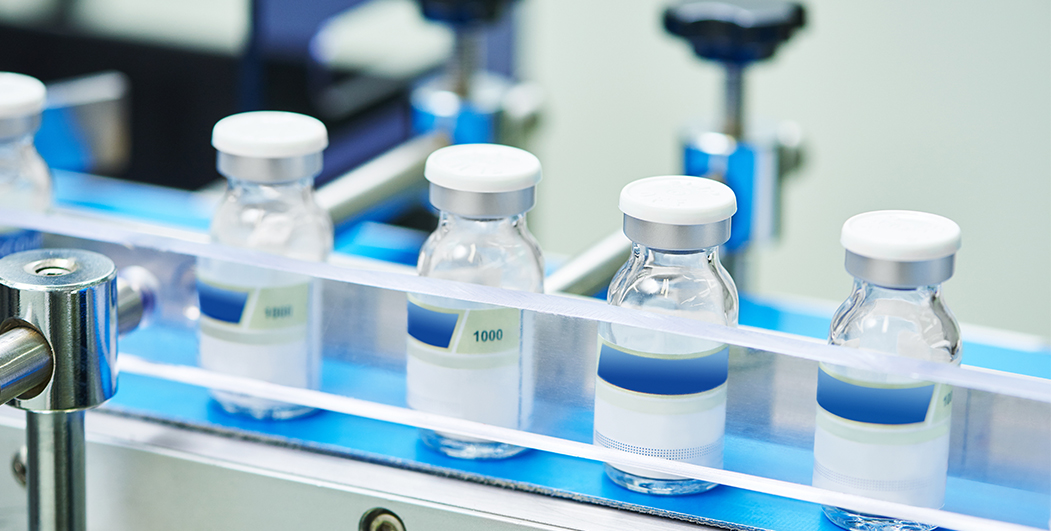
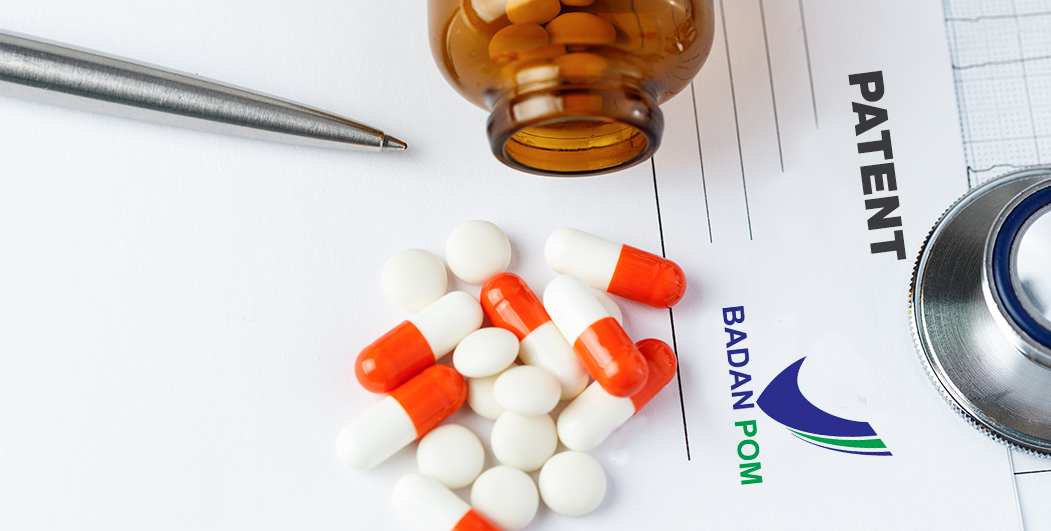
Although the pharmaceutical industry relies on drug patents to secure market exclusivity, these rights typically last only 20 years. Given that drug research and development can take a decade, pharmaceutical companies are motivated to extend their patent rights to safeguard the results of their research and the integrity of the drug.
Recent data indicates that bringing a single drug molecule to market costs over USD 1 billion. Consequently, when the patents for highly successful drugs expire, manufacturers often choose to develop alternative, high-potential formulations.
Strategies employed include updating drug formulations, modifying chiral groups, identifying new indications, and creating combinations of products whose patents have expired.
It is worth noting that once the 20-year patent protection period ends, the invention enters the public domain, allowing other parties to manufacture and sell it freely. However, there is no guarantee that such production will match the quality or standards of the original.
The government is committed to protecting Intellectual Property Rights (IPR) to encourage public innovation. Product owners can secure these rights by registering with the Directorate General of Intellectual Property. Registration no longer requires an in-person visit; applicants can simply access the website http://dgip.go.id and follow the established procedures.
References:
- https://today.mims.com/cara-industri-farmasi-melindungi-paten-obat
- https://m.bisnis.com/kabar24/read/20171025/16/702962/ini-beda-hak-merek-hak-cipta-dan-hak-paten
- https://m.hukumonline.com/klinik/detail/lt5372c4c71a0c1/seluk-beluk-paten