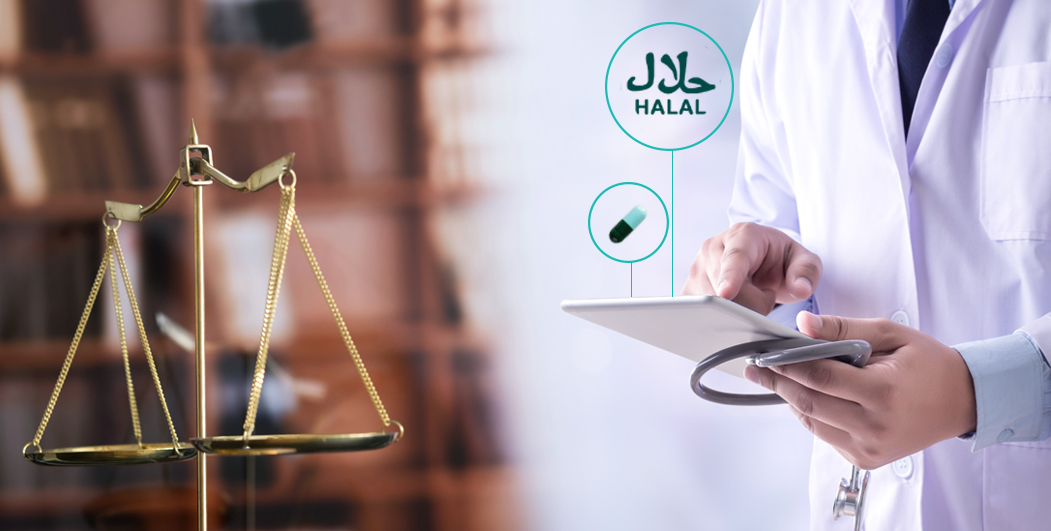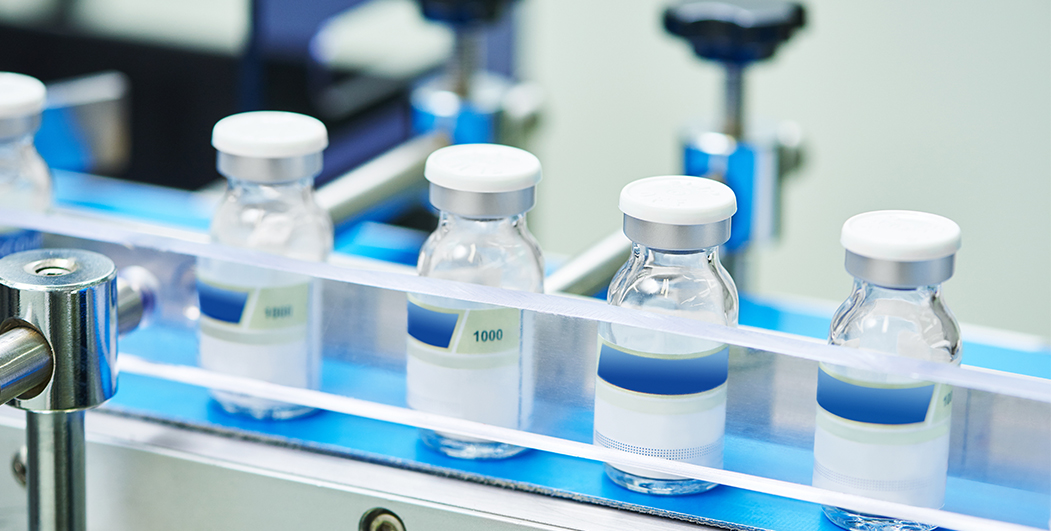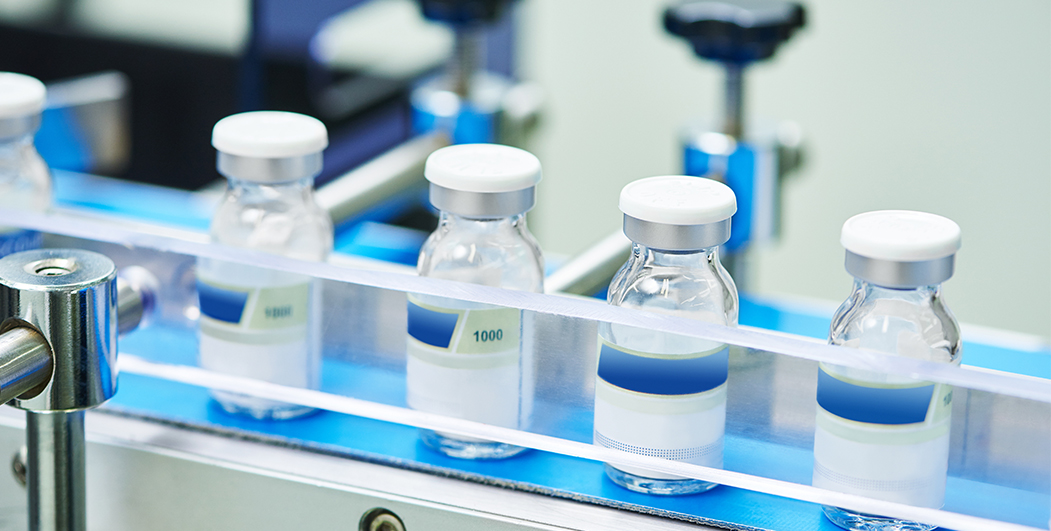
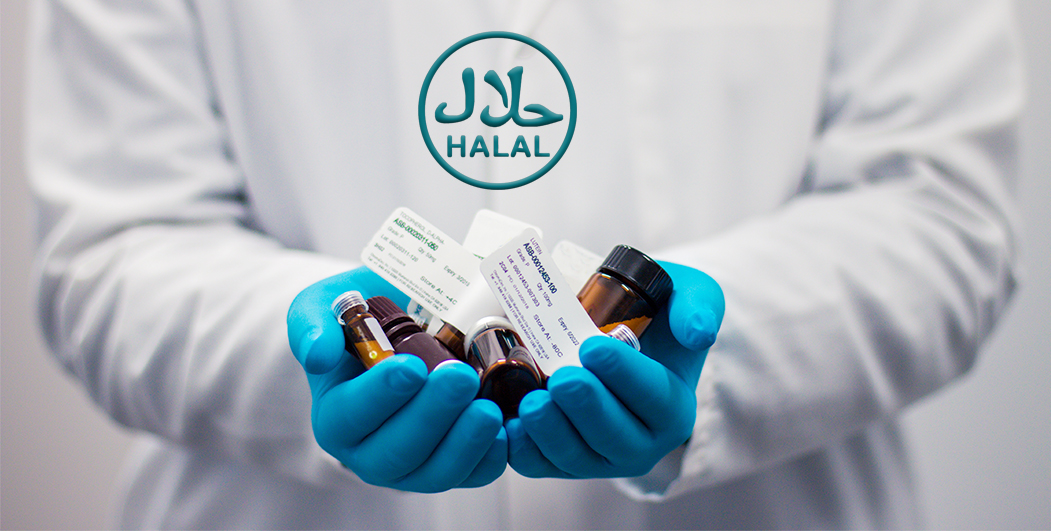
The Indonesian Ulema Council (MUI) has ruled that the MR (Measles-Rubella) vaccine produced by the Serum Institute of India (SII)—intended to prevent measles and rubella—is currently permissible for use, despite being classified as *haram* (forbidden) due to the presence of porcine-derived ingredients. Naturally, this ruling would shift to a prohibition should a *halal* alternative to the SII vaccine become available.
Nevertheless, some segments of the public remain reluctant to use this vaccine. Predominantly Muslim, they are unwilling to use a vaccine that is not *halal* and harbor doubts regarding its authenticity. This hesitation persists despite the fact that measles and rubella pose serious health risks—risks significant enough to prompt the government to launch a program aiming for measles elimination and rubella control by 2020.
Asrorun Ni'am Soleh, Secretary of the MUI Fatwa Commission, previously noted that the use of non-*halal* vaccines had occurred before, specifically during the 2002 polio immunization drive.
"If immunization serves as a mechanism to prevent a disease that—without such immunization—would pose a collective danger, then an act of immunization that is normally merely permissible can become obligatory," he stated.
MUI maintains that safeguarding health—including through immunization—is mandatory. However, the Council adheres to a precautionary principle; because the manufacturing process involved contact with porcine enzymes, the vaccine was declared *haram*.
MUI’s interpretation regarding the *halal* or *haram* status of vaccines differs from that of other Muslim nations. In Saudi Arabia, for instance, vaccines and medicines are deemed *halal* even if their production process involved contact with porcine enzymes.
The rationale is that the enzymes are eliminated and no longer detectable in the final medicinal product administered to patients. In Indonesia, however, MUI continues to classify such products as *haram*, even if the porcine enzymes have been removed and are no longer detectable in the vaccine or medication.
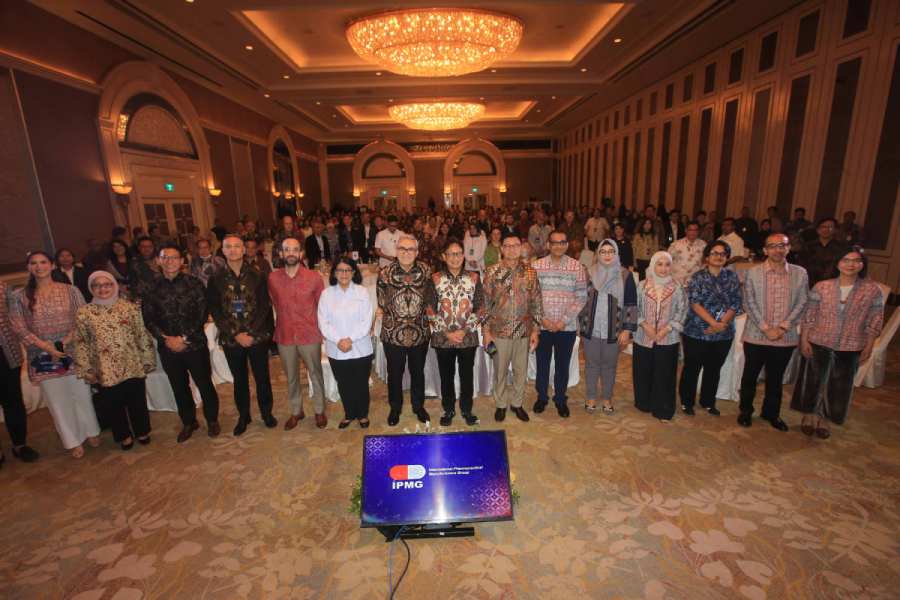
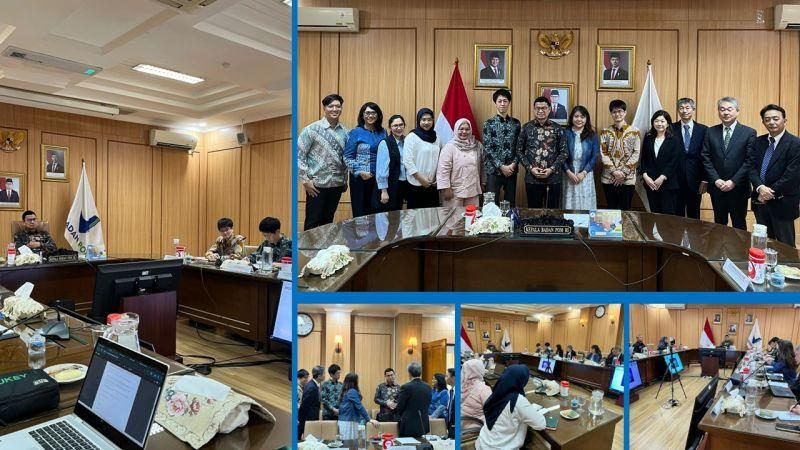
Interestingly, the inaugural meeting of heads of drug regulatory authorities from Organization of Islamic Cooperation (OIC) member states—held in Jakarta on November 21–22, 2018—resulted in a series of agreements known as the "Jakarta Declaration." One of the points in the declaration acknowledged the need to redefine the terminology of *halal* as it applies to medicines and vaccines. "The definition of 'halal' for food products is not in dispute, as we have a wide range of choices. However, regarding medicines and vaccines, options are extremely limited, necessitating a redefinition of the term 'halal'," said Penny K. Lukito, Head of the National Agency of Drug and Food Control (BPOM).
Redefining the term 'halal' has become urgent due to the scarcity of halal-certified vaccines and medicines, contrasted with the critical need for vaccines to prevent disease. WHO data indicates that 30 percent of the global population lacks access to life-saving medicines, including vaccines.
References:
- http://www.halalmui.org/mui14/index.php/main/detil_page/138/24636
- https://www.bbc.com/indonesia/indonesia-45248643
- https://www.bbc.com/indonesia/indonesia-45034202
- https://nasional.kompas.com/read/2018/08/07/10434131/mui-kalau-ragu-vaksin-mr-tidak-halal-tinggalkan