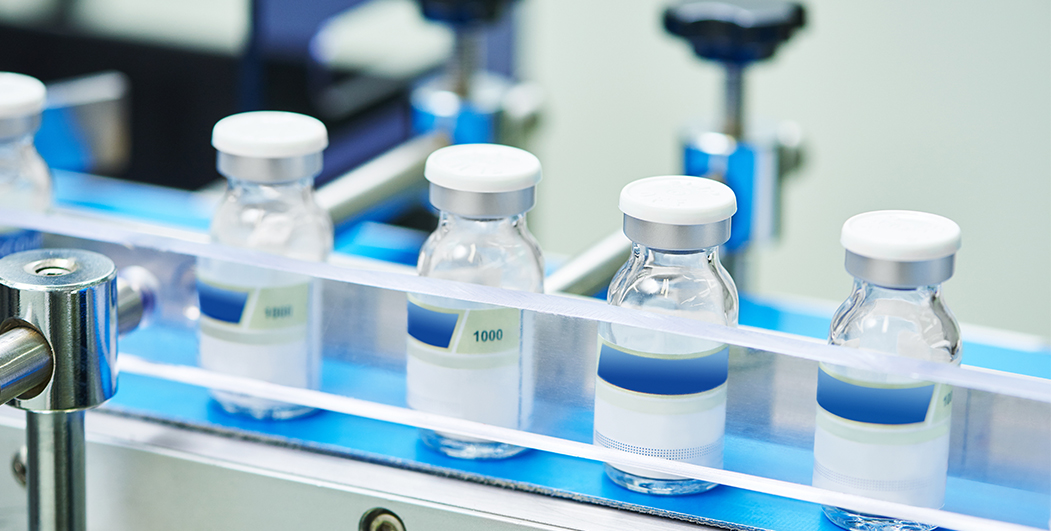
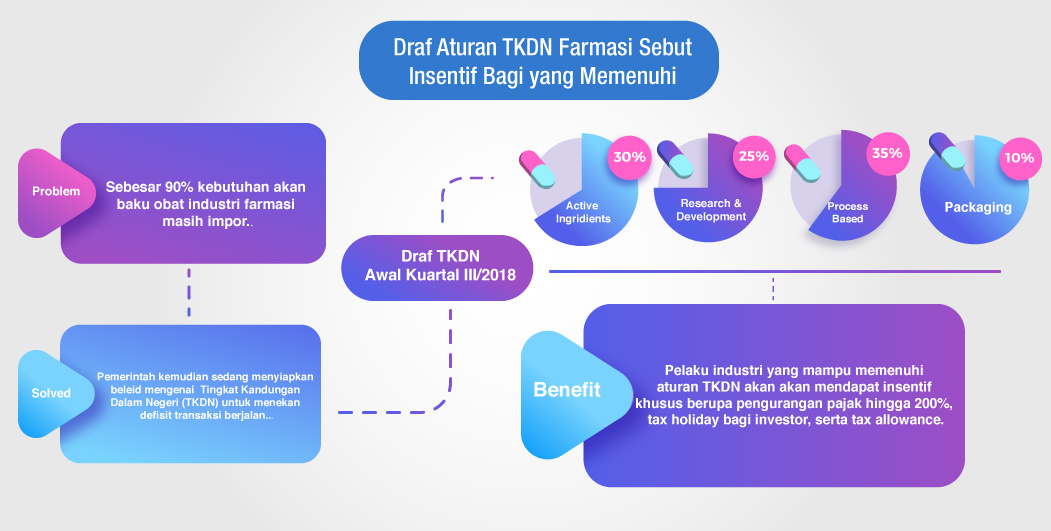
Imports still account for 90% of the pharmaceutical industry's raw material needs. Although some domestic raw materials are available, the pharmaceutical industry has been somewhat hesitant to use them because they lack certification.
The government is currently preparing a regulation regarding the Domestic Component Level (TKDN) to curb the current account deficit. The draft regulation is currently undergoing a harmonization process at the Ministry of Law and Human Rights.
The draft was actually completed in the early part of the third quarter of 2018. Taufiek Bawazier, Director of Downstream Chemical Industries at the Ministry of Industry, explained that the draft outlines four variables to be assessed within the industry. These four variables are: active ingredients (weighted at 30%), research and development (25%), process-based factors (35%), and packaging (10%).
Industry players capable of meeting the TKDN requirements will receive special incentives, including tax deductions of up to 200%, tax holidays for investors, and tax allowances. These incentives are expected to stimulate the upstream pharmaceutical industry, thereby reducing reliance on imports.
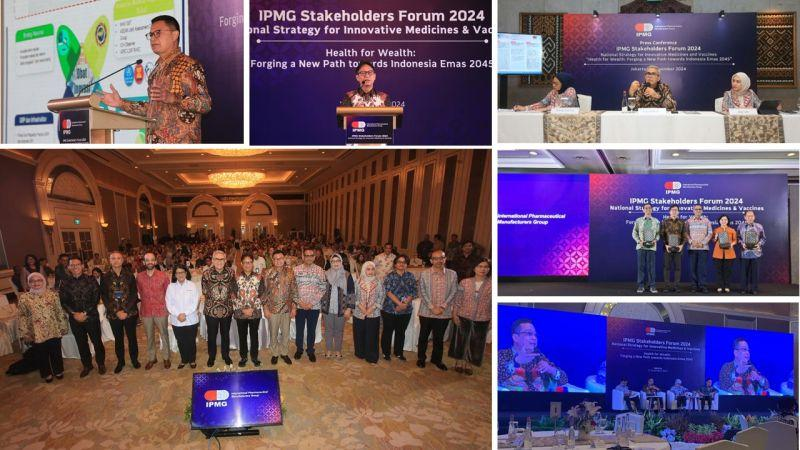
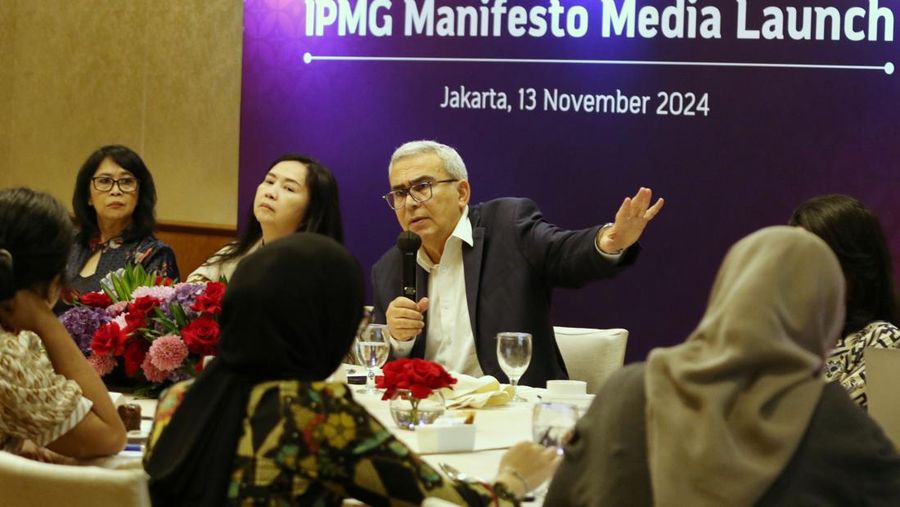
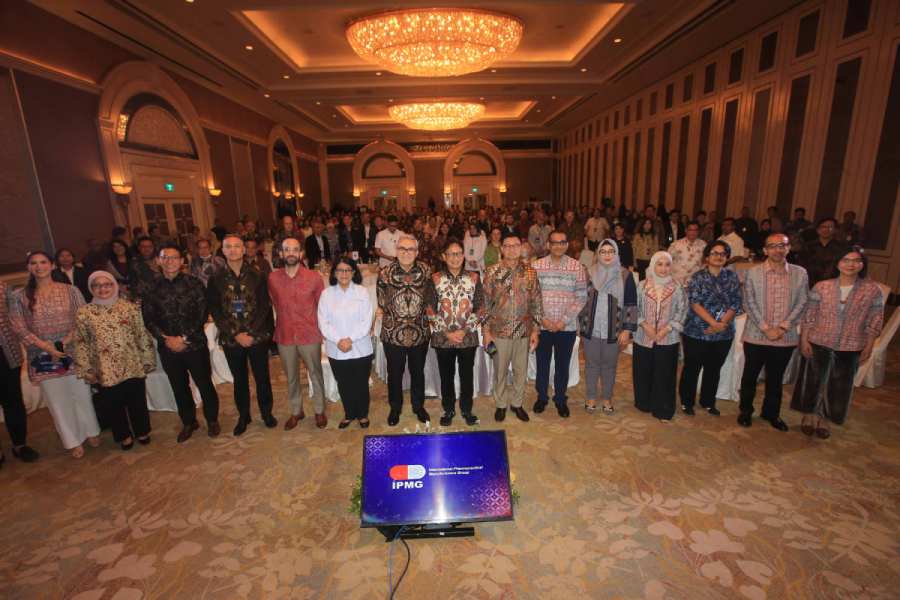
IPMG, representing foreign pharmaceutical companies and positioning itself as a government partner, supports this TKDN regulation. "In addition to acquiring new technology for drug production, the domestic industry is also expected to grow further," stated a representative from IPMG.
References: