
Another raid targeting the distribution of unlicensed traditional medicines—prompted by public reports—has taken place in the Jakarta area. The Indonesian Food and Drug Authority (BPOM RI) seized 330 varieties (totaling 1,679,268 packages) of traditional medicines valued at IDR 15.7 billion.
Following further investigation, officers discovered an additional 183 items of illegal traditional medicine at a residence in Jatinegara. BPOM expressed appreciation for the reports received from the public and urged citizens to continue reporting any products or medicines suspected of being counterfeit.
The House of Representatives (DPR) has also consistently called on BPOM to optimize public involvement in the monitoring of medicines, cosmetics, and food products. Currently, awareness of BPOM is largely limited to industry players; the general public is not yet fully informed about BPOM's role as the agency responsible for supervising and regulating these sectors.
"A system is needed to facilitate reporting whenever the public encounters irregularities in the food, medicines, or cosmetics they consume," said Yusuf Macan Effendi, Chairman of Commission IX of the DPR RI.
BPOM has actually provided a public service—accessible via *cekbpom.pom.go.id*—to help verify whether purchased medicines are counterfeit. Users simply enter the product's BPOM registration number into the search field. If the product is genuine, the consumer can access a link to view product details; if the search yields no results, the product is suspected to be counterfeit.
Unfortunately, the rate of public reporting remains very low. In 2018, only 29 people filed reports regarding counterfeit medicines and cosmetics. Similarly, only 20 reports were filed up to the first quarter of that year.
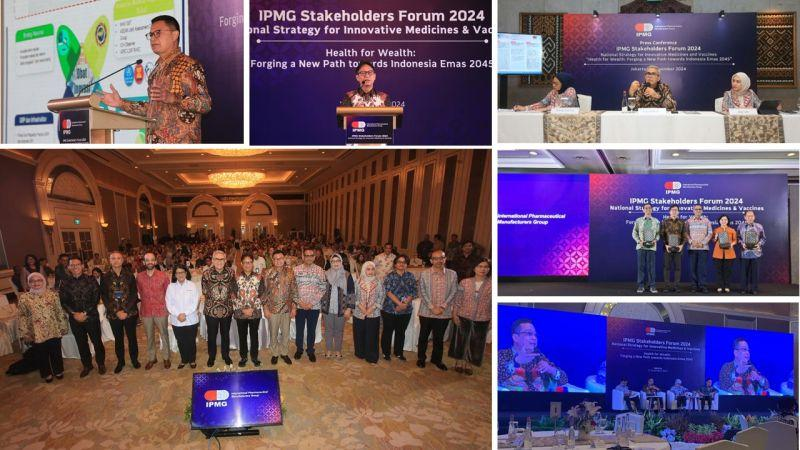
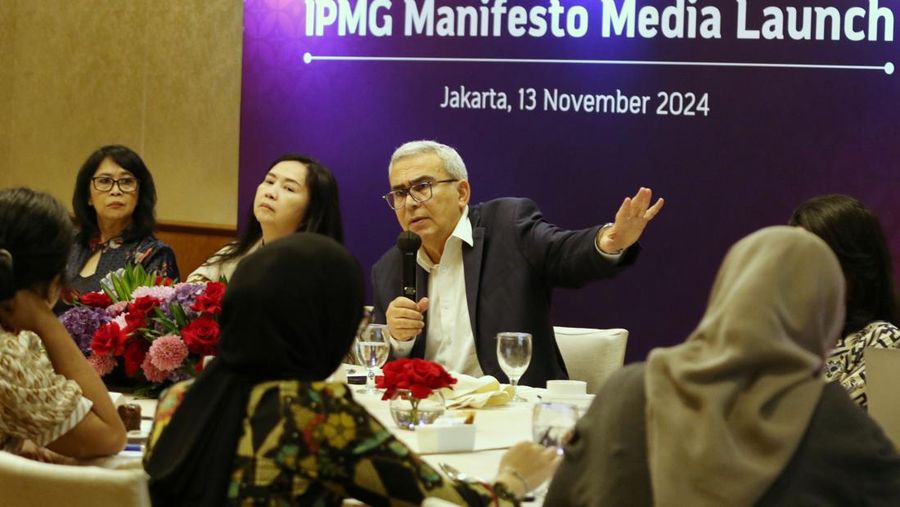
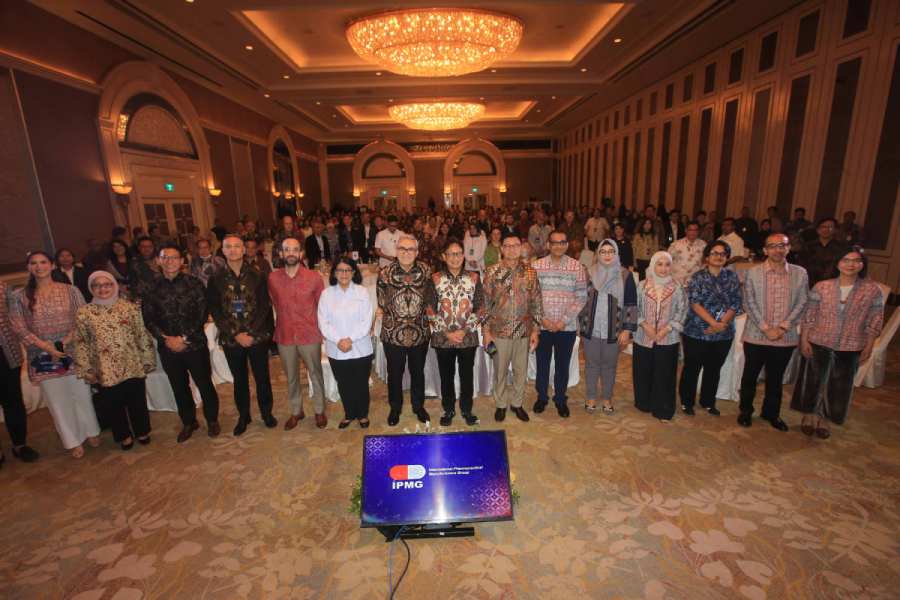
Wildan Sagi, Director of Intelligence at BPOM, noted that there were 30 cases of counterfeit medicines identified in 2011, a figure that rose to 370 cases last year. The International Pharmaceutical Manufacturers Group (IPMG), acting as a government partner, has also taken an active stance. Weak law enforcement and the rising trend of counterfeit medicines pose major challenges for the IPMG.
The IPMG raises awareness about the dangers and characteristics of counterfeit medicines through a dedicated website, www.stopobatpalsu.com. Furthermore, the organization frequently conducts offline outreach activities, such as seminars.
References:
- https://tirto.id/bpom-sita-obat-tradisional-ilegal-senilai-rp157-miliar-di-jakarta-c1DP.